
Guide to Preserving Vintage and Modern 30mm Ammo Cans
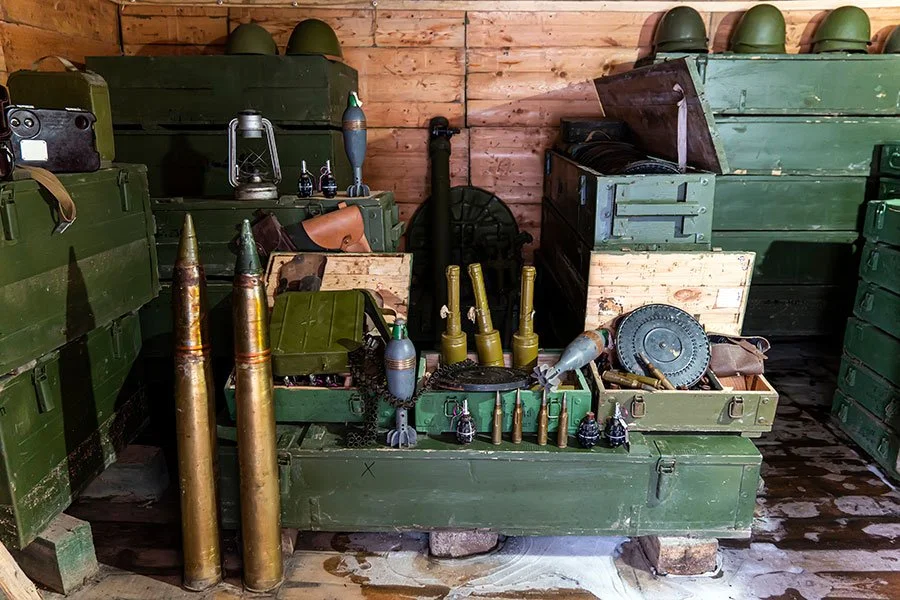
Vintage military ordnance storage—contrasting legacy crates with modern solutions like the M592 ammo can.
- Maximize Compliance & Longevity: Master preservation techniques to extend the lifespan of your 30mm ammo can inventory while maintaining stringent MIL-SPEC compliance.
- Rust Mitigation is Key: Employ protective coatings, desiccants, and Volatile Corrosion Inhibitor (VCI) emitters to prevent degradation of structural integrity and seals.
- Strategic Asset Management: Implement a disciplined cleaning, restoration, and long-term storage protocol to ensure supply chain resilience and optimal resource readiness.
The reliability of military assets depends critically on packaging maintenance. For those managing strategic reserves, preserving specialized steel containers—such as the crucial M592 ammo can—is paramount. This guide delivers compliance-driven strategies for extending the service life of both vintage and modern 30mm ammo cans, transforming routine maintenance into a strategic asset management function.
Why 30mm Ammo Cans Matter
The metal ammunition container is a critical logistical link. The specialized M592 ammunition can meets stringent MIL-SPEC environmental standards, providing a field-tested barrier against damage, vibration, and impact. This reliability ensures mission-critical assets remain compliant, functional, and ready, directly mitigating operational risk.
The operational value of these containers lies in maintaining compliance and material integrity through extended storage and transport. Understanding preservation is key to justifying Total Cost of Ownership (TCO) and ensuring supply chain continuity.
Key Features of 30mm Ammo Cans
Modern and vintage 30mm containers share core design features focused on extreme durability and protection. These capabilities are the result of decades of proven manufacturing standards and precision engineering. To ensure effective preservation, you must monitor the following elements:
Heavy-Duty Steel Construction: Provides exceptional tensile strength. Preservation methods must respect the underlying metallic composition.
Airtight Gaskets: Elastomeric seals are the primary defense against moisture and contamination. Seal integrity is non-negotiable for long-term storage.
Latching Mechanisms: Heavy-duty latches ensure compression on the gasket, maintaining the hermetic seal. Wear on this hardware compromises the container's protective capability.
Corrosion-Resistant Coatings: External finishes are the first defense against rust. Preserving this outer layer is fundamental to container longevity.
Rust Prevention for Ammo Cans
Rust is the single greatest threat to the structural integrity of any steel military container. Proactive rust prevention is a core element of risk mitigation in defense logistics.
Impact of Rust
Rust's consequences extend beyond cosmetics, fundamentally compromising functionality.
Compromised Seals: Rust on the rim prevents the gasket from seating properly, allowing moisture ingress and rendering the container non-compliant.
Structural Failure: Severe rust weakens the container's walls and base, risking catastrophic failure during handling.
Compliance Degradation: Rusted containers fail visual inspection standards, leading to potential rejection in procurement contracts.
Techniques for Rust Prevention
Effective rust management begins with surface preparation and environmental control.
Maintain Exterior Coating: Inspect and immediately touch up small scratches with military-spec, corrosion-inhibiting paint (e.g., CARC-compliant) to prevent flash rusting.
Use Desiccants and VCI Emitters: For internal protection, use desiccant packs (silica gel) and Volatile Corrosion Inhibitor (VCI) emitters. VCI creates a protective molecular layer on the metal, inhibiting oxidation.
Controlled Storage Environment: Store containers in low-humidity, climate-controlled environments. Stacking on non-absorbent surfaces prevents moisture wicking.
Routine Inspection: Implement a periodic inspection schedule focused on seams, handles, and hinge points where moisture tends to pool.
Cleaning and Restoring 30mm Ammo Cans
Restoration of containers with minor cosmetic damage extends their service life and supports fleet uniformity, aiding sustainability goals.
Step-by-Step Restoration Guide
Follow these systematic steps to safely and effectively return a can to service.
Surface Cleaning: Remove dirt and grease using mild, industrial-grade detergents or mineral spirits. Avoid abrasive cleaners that could damage existing coatings.
Rust Removal (Localized): For minor surface rust, use a fine-grit abrasive pad or wire brush on rusted areas. Rust converter chemical can stabilize stubborn patches.
Rinsing and Drying: Thoroughly rinse and dry the can immediately. Use compressed air to ensure no moisture remains in hinges.
Recoating: Apply primer followed by 2 coats of appropriate protective paint. Crucial: Do not paint over the rubber gasket or the sealing surface.
Preservation Tips
Beyond recoating, maintaining functional components is essential for reliability.
Gasket Maintenance: Inspect and clean gaskets with a rubber-safe conditioning agent. Cracked or hardened gaskets must be replaced to ensure airtight compliance.
Hardware Lubrication: Apply a light coat of high-quality, non-migratory lubricant to all moving parts (hinges, latches) to prevent corrosion.
Ready for the next step? After stabilizing your existing inventory, ensure future operational resilience by consulting our team to review your long-term procurement strategy for compliant packaging solutions.
Military Surplus and Vintage 30mm Ammo Can Care
Vintage or surplus containers require heightened diligence to ensure they meet modern operational standards due to their unknown history.
Deep Cleaning: Assume the can is internally contaminated. Conduct a thorough interior cleaning and check for residual debris or chemicals that damage stored contents.
Seal Replacement: Best practice dictates replacing the seal unless it is verifiably new or pristine, to guarantee a certified airtight environment.
Pitting Assessment: Inspect for rust pitting on sealing surfaces. If significant, the container's structural integrity is compromised, and it should be reassigned or disposed of.
Long-Term Ammunition Storage Tips
Preservation techniques must focus on creating a completely isolated micro-environment inside the container.
Storage Guidelines
Adhering to strict environmental and stacking guidelines ensures asset viability.
Vertical Stacking: Store containers vertically where possible. This minimizes stress on the side walls and allows easier inspection of the lid and latch assembly.
Off-Ground Storage: Utilize shelving or pallets to keep containers elevated, mitigating the risk of floor condensation.
Labeling and Inventory: Implement clear, durable labeling to minimize the need to open containers unnecessarily, preserving the internal atmosphere.
Importance of Airtight Seals
The airtight seal, or the gasket, is the ultimate safeguard. Correct sealing maintains a constant internal air pressure, drastically slowing down the exchange of gases and moisture. This hermetic isolation preserves the inert internal atmosphere, which is crucial for protecting sensitive contents over decades of storage.
Preserving Vintage Military Containers
Vintage containers—often desirable for their historical significance—present unique challenges due to older material formulations. Preservation focuses on stabilizing the container's history while maximizing utility.
Respect Original Coatings: Avoid sandblasting or chemical stripping of original military paint schemes unless absolutely necessary, as it can degrade underlying metal treatment.
Focus on Internal Integrity: Prioritize the functionality of the gasket and latching system above cosmetic restoration.
Archival Practices: For historically retained containers, document their condition and store them separately in a warmer, dryer environment to reduce condensation risk.
Maximize the Lifespan of Your Ammo Can with VM Federation
The reliability of your operational assets begins with the integrity of your packaging. At this intersection of durability, compliance, and strategic foresight, Vietnam Manufacturing Federation (VMF) excels. We are committed to global reliability by leveraging innovation and a focus on sustainability.
Our military-grade packaging solutions are precision-engineered to meet and exceed MIL-SPEC requirements, providing you with supply chain security you can depend on. We don't just manufacture containers; we build risk mitigation tools designed for the long term. We offer precision-engineered 30mm ammo cans and packaging solutions designed for durability, compliance, and sustainability. Contact our team today to explore our range of packaging solutions engineered for ultimate performance and supply chain scale.